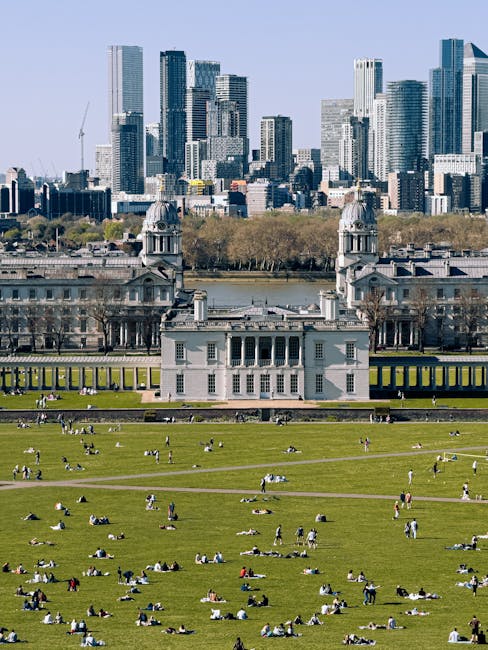
Greenwich Park event moves removal service for local venues
Posted on 30/06/2026
If you manage a venue near Greenwich Park, you already know the awkward part isn't the event itself. It's the moving before, during, and after: staging furniture, clearing hire items, shifting fragile kit, and doing it all without upsetting the next booking. A Greenwich Park event moves removal service for local venues is built for exactly that kind of pressure. It helps restaurants, function rooms, galleries, community spaces, and private hire venues keep turnover smooth when the clock is tight and the margin for error is tiny.
In practice, this kind of removal support is less about "moving house" and more about operational rhythm. Tables need to appear, disappear, and reappear. AV gear must be handled carefully. Stock, decorations, display stands, and sometimes even pianos or specialist items need moving without damage. And because Greenwich can be busy around event times, you need a plan that feels calm on paper and calm in real life too.
This guide breaks down how the service works, who needs it, what to expect, and how to avoid the common headaches that catch people out. If you are comparing options, it may also help to review the broader service range, look at local removals support in Greenwich, or check pricing and quotes before you book.
Why Greenwich Park event moves removal service for local venues Matters
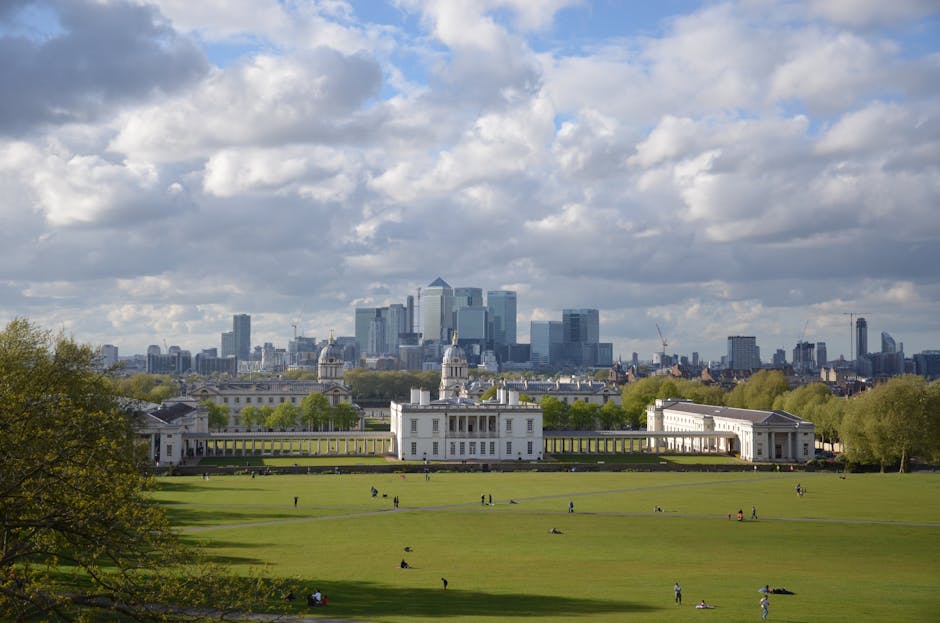
Venue moves around Greenwich Park are not just logistics. They are reputation, timing, and customer experience rolled into one. A late delivery can delay a wedding setup. A scratched floor can become a complaint. A missing chair stack or a damaged display unit can throw the whole day off. Let's face it, venues rarely get the luxury of "we'll sort it tomorrow."
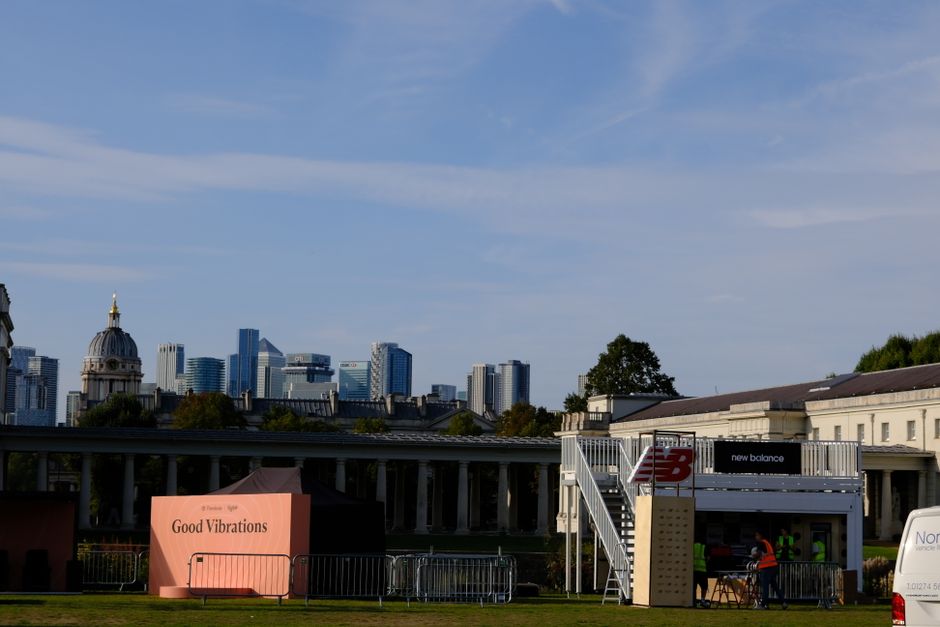
Greenwich Park adds an extra layer of local reality. Access can be busy, parking can be awkward, and event schedules often depend on narrow loading windows. That means the removal partner must understand short stop times, careful route planning, and how to work around other users of the space. If you are organising a private hire, community event, exhibition, or seasonal function, the difference between a standard man and van arrangement and a more considered venue-focused move can be huge.
For some businesses, the issue is not a full relocation at all. It might be a same-day reset between events, or a partial move between storage and venue. In those cases, a service that can adapt quickly is especially valuable. If that sounds like your situation, you may also want to read about same-day removals in Greenwich and how they help avoid costly delays.
There's also a trust angle. Local venues often handle a mix of hired equipment, client property, and delicate items that cannot simply be thrown in the back of a van. A good removal service understands accountability, protection, and handover. That matters whether you run a small venue or a larger multi-room site.
How Greenwich Park event moves removal service for local venues Works
The process usually starts with a clear brief. What is being moved, where from, where to, and by when? That sounds obvious, but in event work the details make the job. A few extra questions often decide whether the move goes smoothly or becomes a frantic scramble at 6:30pm.
A typical venue move may include one or more of the following:
- Pre-event delivery of tables, chairs, staging, signage, and decor
- Collection of hire items after a private event or celebration
- Transfer of bar stock, crates, AV equipment, and lighting
- Movement of heavy furniture between storage and venue
- Protective handling for fragile or high-value items
- Late-night or early-morning turnover, depending on the booking window
The best services work in stages. First comes assessment. Then planning. Then transport. Then careful placement at the venue end, which is often just as important as the loading. If you've ever watched a stack of chairs arrive in the wrong room, you know why. It sounds minor until you are already behind schedule.
For venue owners who also manage back-office operations, it can help to treat this like a small project rather than a one-off lift. That means separating items by type, labelling clearly, and deciding what should move now versus what can wait in storage options in Greenwich. A bit of planning saves a surprising amount of grief later.
Some moves are simple. Others need specialist care. A venue with a grand piano for performances, for example, should not rely on guesswork. For those cases, services such as piano removals in Greenwich are much more appropriate than a generic lifting job. Same story with awkward furniture or fragile display units; the right handling matters.
Key Benefits and Practical Advantages
The obvious benefit is convenience, but the real value goes deeper than that. A professional venue move helps keep your operation tidy, predictable, and less stressful. That may sound a little plain, but in the event world plain and reliable is gold.
1. Faster turnaround between bookings
If a venue hosts frequent events, quick clearance and reset times are essential. The right team can move items efficiently, allowing staff to focus on guest readiness instead of dragging tables across a corridor at the last minute.
2. Better protection for property and equipment
Venue floors, walls, lift panels, and door frames can all take a beating during rushed moves. A careful removal service uses the right lifting approach and vehicle loading method to reduce the chance of bumps, scrapes, and breakdowns.
3. Less strain on your staff
Venue teams are usually doing five jobs at once. Asking them to manage heavy lifting as well is not ideal. Outsourcing the move keeps your people fresher and reduces avoidable injury risk. It is one of those sensible decisions that pays off quietly.
4. More reliable scheduling
Event work runs on time windows, not "roughly later." A specialist mover understands that loading should happen at the agreed time, with enough flexibility to handle the odd delay without derailing the whole plan.
5. Better fit for mixed-use venues
Many local venues double as wedding spaces, meeting rooms, community halls, and seasonal event sites. That creates a messy flow of items. A removal plan that accounts for mixed stock and mixed use tends to work better than a one-size-fits-all transport job.
Expert summary: The best venue move is the one you barely notice. It arrives on time, protects the building, respects the booking schedule, and leaves nothing ambiguous for the next team on site.
Who This Is For and When It Makes Sense
This service is a fit for anyone responsible for a venue or event space near Greenwich Park who needs items moved with speed and care. That includes wedding venues, small galleries, hospitality spaces, pop-up event hosts, private dining rooms, and community organisations.
It also makes sense if you are:
- Switching between regular event layouts and seasonal setups
- Re-fitting a venue after refurbishment
- Moving hired equipment in and out around a single-day event
- Clearing a venue after a party or corporate function
- Handling overflow items during a busy calendar period
- Working with delicate or heavy objects that need more than a quick lift
Not every venue needs a full removals crew. Sometimes a simple man with a van in Greenwich is enough for smaller loads. Other times, especially when you are moving bulk furniture or multiple item categories, a more structured setup is safer. If the move involves a complete reset or multiple runs, man and van support in Greenwich can strike a useful balance between cost and flexibility.
For venues with staff already stretched by customer service, kitchen prep, or event coordination, outsourcing the physical move is often less about budget and more about sanity. And honestly, that counts too.
Step-by-Step Guidance
If you want the move to feel straightforward, treat it as a sequence rather than a single task. Here is a practical way to handle it.
- List everything that needs moving. Separate items by size, fragility, and destination. Chairs, linens, glassware, cable trunks, and decor should never be lumped together in one vague pile.
- Confirm access at both ends. Check loading bays, lift access, stairs, parking restrictions, and any venue rules. Greenwich can be tight in places, so this is not the step to gloss over.
- Set the timing window. Match the move to the event schedule. If the venue needs to be clear before the first guests arrive, build in buffer time. Always. The buffer disappears fast if traffic gets in the way.
- Decide what needs specialist handling. Piano, artwork, mirrors, AV systems, and heavy furniture may require extra protection or dedicated equipment.
- Choose the right vehicle size and crew. Too small and you'll make repeated trips. Too large and you may create access issues. A sensible sized vehicle matters more than people think.
- Label and stage items before collection. The simplest venue moves are the ones where everything is already grouped and ready to go.
- Confirm insurance and responsibility. You want clarity on who handles what if something is damaged or delayed. That clarity should be in writing, not assumed.
- Do a final walk-through. Check cupboards, storage rooms, side corridors, and under stage areas. One forgotten crate has a funny way of becoming a problem later.
If the move is part of a property change as well as an event reset, it can be useful to understand the wider local moving picture. Articles like the Greenwich removals cost guide and routes and tips near Cutty Sark can help you think about timing and access more realistically.
Expert Tips for Better Results
Small improvements make a big difference in venue moves. A lot of the stress comes from tiny avoidable things: unclear labels, half-packed crates, no parking plan, or that classic phrase, "we thought someone else had sorted it."
Here are a few habits that tend to work well in real life:
- Use consistent labels. Mark both the item and the destination room. "Stage left" means different things to different people on a busy evening.
- Bundle similar items. Keep glass with glass, cables with cables, and event decor with event decor. Mixing item types slows everything down.
- Protect floor routes. If a venue has polished wood or tight corridors, plan the movement path first. It is much easier than apologising after the fact.
- Book outside peak congestion where possible. Early morning and late evening can work well, but only if the venue has access and the team is ready.
- Keep a spare buffer crate. One box for loose ends, clips, tape, and odd bits can save a lot of wandering around later.
A small, practical habit I've seen work well is this: keep one person on site as the "move owner." Not a supervisor with a clipboard, just one person who knows where everything should land. It stops the whole process from becoming a noisy group debate. Mildly boring, very effective.
If your event is happening in a venue that also hosts parties, compare logistics with the sort of advice found in venues for parties in Greenwich. Different setups, same principle: access and timing are everything.
Common Mistakes to Avoid
The biggest errors in event-related removals are usually not dramatic. They are just annoyingly small and easy to miss.
Underestimating access issues
A vehicle that is fine on a quiet street can become a headache if there is no legal or practical loading space. Don't assume access will "probably be okay." Check it properly.
Leaving packing until the last minute
Half-packed items lead to rushed handling, and rushed handling leads to damage. In event moves, speed is useful only when the prep is already done.
Not separating fragile and heavy items
This sounds basic, but it is one of the most common causes of breakage. One crowded crate can undo a lot of good work.
Choosing a service without clear event experience
Some movers are excellent at domestic work but less comfortable with venue logistics. Event moves need rhythm, awareness, and a bit of patience. It's a different sort of job.
Forgetting the handover sequence
If one team is unloading while another is setting up, everyone needs a shared plan. Otherwise, a chair stack may be in exactly the wrong place at exactly the wrong moment. Tragic? No. Irritating? Absolutely.
Ignoring what happens after the event
Many people plan the delivery and forget the collection. Yet post-event clearance is often where fatigue and time pressure peak. Book both legs of the move if needed.
Tools, Resources and Recommendations
You do not need a warehouse of specialist kit to run a venue move properly, but the right few tools help a lot.
- Clear labels and marker pens for destination-based sorting
- Heavy-duty crates or lidded boxes for mixed event supplies
- Protective blankets and wraps for furniture and delicate surfaces
- Tape and seal tags to keep packed items secure
- Basic inventory sheet so nothing disappears into the background
- Floor protection where venue surfaces are vulnerable
As for service selection, it helps to compare the style of support you need. Some venues benefit from full removal services, while others only need a vehicle and a few helpers. Review removal services in Greenwich, office removals for back-of-house spaces, and furniture removals if your venue move includes heavier items or a workspace reset.
If your event schedule is tight and you need extra care with packing, packing and boxes support in Greenwich can make the whole process less chaotic. That small bit of preparation often saves the day, truth be told.
Law, Compliance, Standards, or Best Practice
For venue removals, compliance is mostly about duty of care, safety, and clear process. You are not usually dealing with one dramatic rule so much as a set of sensible expectations that keep people, property, and schedules protected.
In the UK, venues and movers should take health and safety seriously, especially when manual handling, lifting, access routes, and fragile items are involved. The practical aim is simple: reduce the chance of injury and damage. A responsible mover should also be able to explain how they approach safe lifting, loading, and transport.
It is also good practice to confirm the following before the move:
- Who is responsible for packing and labelling
- Whether the mover has suitable insurance for the job
- How damage or delay would be handled
- What access arrangements are required at each site
- Whether any items need specialist treatment
If the venue is part of a broader business operation, it can help to review the company's policies too. Pages such as insurance and safety, health and safety policy, and terms and conditions are useful because they clarify expectations before anything is loaded.
For organisations that care about ethical supply chains and responsible operations, it may also be worth noting the modern slavery statement. And if you want to understand how payments are handled securely, take a look at payment and security information. Small details, but they build confidence.
Options, Methods, or Comparison Table
Different venue moves call for different levels of support. Here is a simple comparison to help you choose.
| Option | Best for | Strengths | Limitations |
|---|---|---|---|
| Man and van | Smaller event loads, quick drops, light collections | Flexible, often cost-conscious, good for short jobs | Less suitable for bulky or high-volume moves |
| Dedicated removal van | Moderate venue turnovers and repeat runs | More space, better organisation, fewer trips | May still need careful scheduling for busy sites |
| Full removals team | Large venue clears, heavier furniture, specialist items | Better for complex handling and larger workloads | Usually more involved than a simple collection |
If you are unsure which route fits your venue, the safest answer is usually the one that gives you enough capacity without forcing you to rush. Too small becomes expensive fast. Too big can be awkward for access. Balance matters.
For local comparison reading, you may also find top removal van services for Maze Hill and Blackheath helpful if your venue work overlaps with nearby areas and access patterns.
Case Study or Real-World Example
Picture a small function venue near Greenwich Park on a Saturday afternoon. A private event ends at 4pm, and a new booking is due in the evening. The team needs to clear hired chairs, a folding stage, decorative plinths, and several crates of glassware. There is not much room at the entrance, and the staff are already busy resetting tables inside.
In a rushed version of this job, items get stacked wherever there is space. Labels go missing. One crate is heavier than expected. Someone takes a wrong turn with a trolley. Suddenly the turnaround stretches by an hour and a half, and the next booking starts to feel uncomfortably close.
Now imagine the same move with a clear plan. Items are grouped before collection, the vehicle arrives in the agreed window, fragile pieces are separated, and one person on site manages the handover. The work still requires effort, of course, but it feels controlled. The venue gets back to a guest-ready state sooner, and the staff do not end the day exhausted and slightly frazzled. Which version would you rather repeat every weekend?
That is really the heart of it. Event moves are not glamorous. They are operational. But when they are handled well, the venue looks effortless, and that is exactly what customers notice.
Practical Checklist
Use this checklist before booking or organising a Greenwich Park venue move.
- Confirm what is being moved and what stays behind
- Measure or at least assess access points, lifts, stairs, and loading areas
- Decide whether you need a man and van, dedicated van, or fuller removal support
- Set the move window around the event schedule
- Label items by room, zone, or use
- Separate fragile, heavy, and specialist items
- Check insurance, responsibility, and handover expectations
- Prepare floor protection if the venue surface is delicate
- Have one person on site to coordinate the move
- Plan the post-event collection as carefully as the delivery
If you are still refining the wider move, it may be useful to compare your plan with local removal companies in Greenwich and see what level of support is most appropriate for the job.
Get a free quote today and see how much you can save.
Conclusion
A Greenwich Park event moves removal service for local venues is really about making venue life easier. It keeps event turnover calmer, protects your space, and helps your team avoid the usual last-minute tangle of boxes, chairs, and "who moved that?" moments.
The best results come from simple things done well: clear access planning, sensible timing, good labelling, and the right type of removal support for the size of the job. Whether you need a quick collection, a same-day reset, or a more careful specialist move, the aim is the same: make the venue ready without making the day harder than it already is.
If you get that part right, everything else tends to feel lighter. And on a busy event day, that is a lovely thing.