Office Removals in Greenwich
Moving a workplace is never just about shifting desks and boxes. It is about keeping your business running, protecting equipment, reducing disruption, and making sure staff can settle into the new space with as little stress as possible. That is why Office Removals in Greenwich need careful planning, local knowledge, and a team that understands both commercial moving challenges and the practical realities of the area.
Whether you are relocating a small office, a growing startup, a professional practice, or a larger corporate workspace, a well-organised move can save time, protect valuable assets, and help your team get back to work quickly. Greenwich has a mix of historic streets, busy town-centre roads, riverside developments, business units, and residential streets used by home-based companies. All of that makes local expertise especially useful when arranging a smooth office relocation.
If you are planning a move within Greenwich, across South East London, or to another part of the city, this page explains what is included, how the process works, what affects pricing, and why choosing a local team can make such a difference. Request a free quote and start planning your move with confidence.
Why office removals in Greenwich need a local approach

Greenwich is a unique place to move a business. From the historic centre around Greenwich town centre and the Cutty Sark area to modern offices near the river and business spaces close to North Greenwich, the local road layout can create challenges that a general removal team may not anticipate. Narrow streets, controlled parking zones, traffic around peak times, and limited loading access can all affect how a move is scheduled and completed.
Many local businesses work from mixed-use buildings, converted properties, upper floors, or shared commercial units. That means office removals often require more than just lifting and loading. A sensible plan will consider lift access, stairways, secure entry, delivery windows, parking arrangements, and how to move equipment without disrupting neighbours or building managers. A local mover familiar with Greenwich will usually be better prepared for those details.
Another benefit of local experience is timing. Business moves often need to happen outside standard working hours, over a weekend, or in stages so operations can continue. A team that regularly works in the Greenwich area can plan routes and arrival times more realistically, helping avoid avoidable delays. If your office is in a busy part of SE10 or close to main commuter routes, that local awareness can be especially valuable.
Who our office removal service is for
Office relocation support is not only for large companies. Many different types of customers in Greenwich need professional help moving workspaces, whether they are upgrading, downsizing, expanding, or simply changing location. A reliable moving service should be flexible enough to handle a wide variety of commercial needs.
Typical customers include:
- Small offices moving a handful of desks, chairs, files, and IT equipment
- Startups relocating into their first proper office space
- Professional firms such as accountants, solicitors, consultants, and design studios
- Hybrid businesses moving shared workspaces and equipment between sites
- Retail offices and back-of-house teams with paperwork, stock, and technology to move
- Home-based businesses upgrading into commercial premises
- Multi-room or larger offices needing staged relocation support
Every business move is different. Some customers want a straightforward transport-only service; others need help with packing, dismantling furniture, organising IT-sensitive items, and clearing out old furniture they no longer want. The right office removals team can adapt the service to match your schedule and your priorities.
What is included in an office removal service?
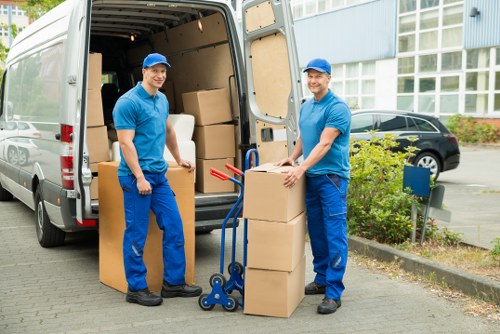
A professional office move should be more than a van and a few boxes. It should offer practical support that reduces disruption and gives you confidence from start to finish. Depending on your requirements, office removals in Greenwich may include a mix of planning, packing, transport, and setup assistance.
Common parts of the service include:
- Initial assessment of the move size and access requirements
- Planning the move around your working hours or business closure period
- Packing support for documents, stationery, and office contents
- Careful handling of IT equipment, monitors, printers, and peripherals
- Dismantling and reassembling desks, tables, shelving, and workstations
- Loading, transport, and unloading at the new site
- Placement of furniture and boxes in the correct rooms or zones
- Optional disposal or removal of unwanted office furniture
Some businesses also need help moving archives, filing systems, specialist equipment, or fragile items. In those cases, a tailored plan is essential. If your office contains items that are awkward, valuable, or sensitive, mention that early so the move can be organised with the right packing materials and vehicle size.
Good movers will also think about building protection, floor coverings, entry-point care, and route planning inside the property. These small details help reduce damage and make the move feel more controlled.
How the office removals process usually works
For most Greenwich customers, the move works best when it is planned in clear stages. That way, everyone knows what is being moved, when it is happening, and who is responsible for each part of the job. A structured process also helps reduce downtime for staff and improves communication between the moving team and the business.
A typical process looks like this:
- Enquiry and discussion: You explain the size of the office, the current location, the destination, and any access issues.
- Survey or assessment: The mover reviews the items to be transported and notes practical details such as parking, stairs, lifts, loading times, and special equipment.
- Move plan: A timetable is arranged, including packing days, dismantling, moving day, and any setup at the destination.
- Packing and preparation: Items are boxed, labelled, wrapped, or disassembled as required.
- Moving day: Furniture, boxes, and equipment are moved safely and in an organised order.
- Placement and setup: Items are taken to the right rooms and reassembled where needed.
- Final checks: You confirm that essential items are in place and the workspace is ready for use.
Some businesses prefer to move in phases. For example, a company may relocate IT equipment on one day, furniture on another, and archived files later. That staged method can be especially helpful for offices that need to keep trading during the move.
Local Greenwich access issues that can affect your move

One reason customers look for office removals in Greenwich is the need for a team that understands the local access picture. Greenwich is full of different property types and road layouts, and those details can influence how the move is planned and completed. Parking restrictions, loading bays, time-limited access, and busy streets can all affect your schedule.
Areas around Greenwich town centre, Maze Hill, Westcombe Park, Woolwich Road routes, and the riverfront can present different logistical challenges. If your office is in a converted building, above a shop, inside a shared business property, or near a busy junction, the moving team needs to plan ahead. They may need to coordinate arrival times carefully, use smaller vehicles where appropriate, or arrange loading in specific windows to avoid disruption.
Lift access and stair access can also matter a lot. An office on the third floor with a narrow stairwell is not the same as a ground-floor unit with direct loading access. Careful route planning inside the building helps protect items and reduce the chance of accidents. It can also help the team work faster, which is important if your office move has a limited time slot.
If your premises are within a managed building, it is often wise to check building rules in advance. Some sites require advance notice, proof of insurance, a booking for lifts, or a specific route for moving goods. Handling those requirements early can prevent last-minute delays.
Why local businesses in Greenwich choose professional movers
Many businesses in Greenwich begin by thinking they can handle the move themselves. That might work for a very small amount of furniture, but office relocation quickly becomes more complicated when computers, paperwork, filing cabinets, and multiple staff members are involved. Hiring professionals is often about reducing risk, saving time, and keeping people focused on business rather than heavy lifting.
The main benefits include:
- Less disruption: A managed move helps your team return to work faster.
- Safer handling: Large furniture and sensitive equipment are moved more carefully.
- Better organisation: Items are packed and labelled in a structured way.
- Lower stress: You do not have to coordinate every physical part of the move alone.
- Flexible support: Services can often be adapted to suit your schedule and business size.
- Local knowledge: Greenwich traffic, access, and parking realities are handled more effectively.
Professional office removals are especially useful if your business relies on computers, filing systems, customer records, or specialist workstations. A move done in a rush can lead to damaged items, lost documents, or avoidable downtime. A careful, local service helps reduce those risks.
Preparing your office for removal day

Good preparation makes a major difference to the success of an office move. The more organised your team is before moving day, the smoother the process will be. You do not need to do everything yourself, but a few sensible steps can help the removals team work efficiently and protect your business assets.
Here is a practical preparation checklist:
- Back up important files and confirm your data migration plan
- Tell staff what they need to pack and by when
- Label boxes by department, desk, or destination room
- Separate confidential paperwork for secure handling
- Disconnect and label IT equipment where appropriate
- Empty desks, cupboards, and storage units
- Remove personal items and valuables from shared areas
- Check access arrangements, lift bookings, and parking permissions
- Confirm which items are moving, which are staying, and what should be disposed of
It helps to nominate one person in the office as the move contact. That person can answer questions, oversee labels, and make quick decisions if anything needs adjusting on the day. If several people are involved, a simple floor plan or room list can also reduce confusion when boxes arrive at the new office.
For larger moves, it can be helpful to create a simple priority list. That may include essential computers, phones, printers, meeting room furniture, filing, and the equipment needed for the first working day. This keeps the move focused on what your business needs most.
Items commonly handled during office removals
Office moves often involve a surprising variety of items. Some are bulky and awkward, some are delicate, and some need careful organisation to make sure they end up in the right place. A good commercial removals service should be prepared for all of that.
Examples of items often moved include:
- Office desks and chairs
- Meeting tables and boardroom furniture
- Filing cabinets and storage units
- Printers, scanners, and desktop equipment
- Computer monitors, accessories, and cables
- Boxes of files, paperwork, and stationery
- Reception furniture and waiting-area items
- Archive boxes and records
- Kitchen or staff-room items
- Light fixtures or display items where suitable and agreed
Some items need extra care. Sensitive electronics should be packed properly, and confidential documents should be handled in a way that suits your business needs. Heavy filing cabinets and storage units may need to be emptied, dismantled, or moved with specialist care. If you have unusual items, let the removals team know in advance so the right arrangements can be made.
Pricing factors for office removals in Greenwich

Every office move is different, so pricing usually depends on a number of practical factors rather than a one-size-fits-all rate. Customers in Greenwich often want to understand what affects the cost before they request a quote. Knowing this in advance can help you compare services fairly and plan your budget more confidently.
Common pricing factors include:
- Size of the office: More rooms, more furniture, and more boxes usually mean more time and vehicle space.
- Distance between sites: A move within Greenwich may be simpler than a longer transfer across London.
- Access conditions: Stairs, tight corridors, lift use, or limited parking can affect the work involved.
- Packing requirements: Full packing support usually changes the scope of the job.
- Furniture dismantling: Desks, shelving, and large units may need to be taken apart and rebuilt.
- Special items: Electronics, archives, fragile pieces, or awkward equipment may require extra care.
- Timing: Out-of-hours, weekend, or phased moves may require a different schedule.
- Disposal needs: If you want old items removed, that should be included in the plan.
A clear quote is usually easier to provide once the mover understands the layout, contents, and access at both properties. That is why honest detail upfront is so important. It helps avoid surprises later and allows the removals team to plan properly.
If you are comparing different service options, look beyond the headline figure. Consider what is included, how much support you receive, and whether the team understands local access issues in Greenwich. A slightly more structured service can save time, stress, and unnecessary complications.
Why choose a local Greenwich office removals company?
Choosing a local team brings practical advantages that can matter a great deal on move day. Greenwich is not a one-size-fits-all area. The requirements of a riverside office, a town-centre unit, a shared workspace, or a converted period building can all be very different. A local company is more likely to understand those differences and plan accordingly.
Reasons local customers often prefer a Greenwich-based service include:
- Better familiarity with local roads, loading restrictions, and access points
- More realistic timing for busy commuting periods
- Flexibility when plans need adjusting quickly
- Experience with mixed property types and commercial buildings in the area
- Convenient support for moves within Greenwich and nearby districts
There is also peace of mind in working with a team that understands local business life. Office relocations are often time-sensitive, and a mover with nearby knowledge can respond more effectively to access issues, building rules, and route planning challenges.
Book your service now if you want a move that feels organised rather than overwhelming. The sooner planning begins, the easier it is to build a practical schedule that suits your business.
Areas covered around Greenwich
Office removals are often arranged for customers in Greenwich itself as well as nearby parts of South East London. Businesses may be moving between local neighbourhoods or heading further afield, and a flexible removals service should be able to support both.
Areas commonly covered include:
- Greenwich town centre
- West Greenwich
- East Greenwich
- Maze Hill
- Charlton
- Woolwich
- Blackheath
- Deptford
- Lewisham
- North Greenwich and surrounding developments
Businesses also often move to and from neighbouring commercial areas where access, parking, and loading arrangements may differ. If your office move involves multiple sites, storage stops, or a longer journey across London, it helps to work with a team that can coordinate the route properly.
Even if your new premises are only a short distance away, the practical moving process can still be complex. That is especially true in areas with busy roads, restricted parking, or shared entrances. Local support is often the difference between a stressful move and an organised one.
Residential and commercial customers with business needs
Greenwich has many properties where business activity and residential living overlap. Home offices, consultancy practices, and small companies often begin in flats or houses before moving into dedicated commercial premises. Others may relocate from an office into a live-work setup, a studio, or a shared workspace. Each situation has its own moving challenges.
For home-based businesses, office removals may involve moving a compact but important set of items: desks, monitors, printers, paperwork, and stock. For commercial customers, the move may involve a more structured operation with multiple staff, several rooms, and larger volumes of furniture. A flexible service should be able to handle both ends of the spectrum.
Some businesses also need a removal service that can work alongside other trades or building teams. That may include decorators, fit-out contractors, IT installers, or property managers. Good coordination helps the move fit smoothly into the wider project schedule.
Frequently asked questions
How far in advance should I book office removals in Greenwich?
It is best to book as early as you can, especially if your preferred moving day is likely to be a weekend, month-end, or outside normal business hours. Early booking gives time to assess access, plan packing, and arrange any special requirements.
Can our office stay open during the move?
In many cases, yes. Some businesses choose a phased relocation so they can keep trading while part of the office is moved. The best approach depends on the amount of equipment involved, the layout of both premises, and how much downtime you can tolerate.
Do you move IT equipment and office electronics?
Yes, office moves often include IT-related items such as monitors, desktop units, printers, and accessories. These items should be prepared carefully, and any sensitive systems should be backed up before the move begins.
What if my office is on an upper floor or in a building with limited access?
That is common in Greenwich, especially in converted or mixed-use properties. A professional removals team will plan for stairs, lifts, loading zones, and timing restrictions in advance so the move can be completed more safely and efficiently.
Can old furniture be taken away too?
Often, yes. If you are replacing old desks, chairs, or storage units, you can usually arrange for unwanted items to be removed as part of the move or as an additional service. It is helpful to say what should be kept and what should be cleared out before moving day.
Do I need to pack everything myself?
Not always. Some customers prefer to pack in-house, while others want full packing support. The right option depends on your team size, available time, and how much specialist packing your equipment or documents require.
What makes a smooth office relocation?
A smooth office move is usually the result of good communication, careful preparation, and practical local knowledge. It is not about rushing. It is about sequencing the work properly so that the right items are moved in the right order, and the business is ready to operate again as soon as possible.
To improve the move experience, focus on:
- Clear instructions about what is moving
- Accurate labelling of boxes and furniture
- Early handling of access and parking arrangements
- Planning around staff availability and working hours
- Secure packing of confidential or fragile items
- A realistic schedule for setup at the new office
Greenwich businesses often benefit from a move plan that is simple, practical, and built around local conditions. Even small steps, such as confirming lift bookings or identifying a loading point, can make the day much easier. If you are unsure where to begin, a local removals team can help shape the process and make it manageable.
Many customers also find it useful to prepare a first-day essentials box. That might include keys, documents, Wi-Fi details, chargers, office supplies, and anything needed for the first morning at the new premises. This small step can prevent unnecessary searching once the move is complete.
Plan your Greenwich office move with confidence
If your business is preparing for a relocation, now is the time to make the process organised and practical. Office Removals in Greenwich work best when the move is planned around your premises, your staff, and the realities of the local area. From access and parking to furniture dismantling and careful handling of office equipment, the right service can make a major difference.
Whether you are moving a small workspace or a larger commercial office, a professional team can help reduce disruption and keep the project on track. Greenwich businesses deserve a moving service that understands the area and respects the importance of a smooth transition.
Contact us today to discuss your office move, request a free quote, and arrange the support your business needs. Book your service now and take the next step toward a well-managed relocation.